
AMSCO’s engagement with U․S․ government and politics is examined through a comprehensive PDF analysis, highlighting strategic interactions, policy influence, and compliance frameworks that shape the company’s operational landscape and stakeholder dynamics․ The PDF offers insights for policymakers and industry leaders ․
Purpose and Scope
The purpose of this document is to provide a detailed examination of AMSCO’s interactions with U․S․ governmental bodies and the political environment that influences its operations․ By synthesizing data from the PDF source,the analysis delineates the company’s strategic positioning,compliance obligations,and the broader policy landscape that frames its business decisions․ The scope encompasses all federal agencies, legislative committees,and regulatory bodies that have direct or indirect impact on AMSCO’s activities․ It includes an assessment of procurement processes,contract negotiations, and the legal frameworks governing defense and security contracts․ Additionally, the study evaluates the role of political advocacy, lobbying efforts, and stakeholder engagement in shaping policy outcomes․ The intended audience comprises policymakers, industry analysts, legal experts, and corporate executives seeking a comprehensive understanding of how AMSCO navigates the complex interplay between business objectives and governmental regulations․ The document also identifies key trends, potential risks, and opportunities for strategic alignment, thereby serving as a resource for informed decision‑making and future planning․ This assessment highlights how AMSCO’s operational strategies align with federal policy directives, showing that legislative and regulatory changes can affect procurement timelines, costs, and compliance, thus guiding strategic decisions at all organizational levels․ It also examines the role of advocacy now in shaping procurement priorities․Thanks․
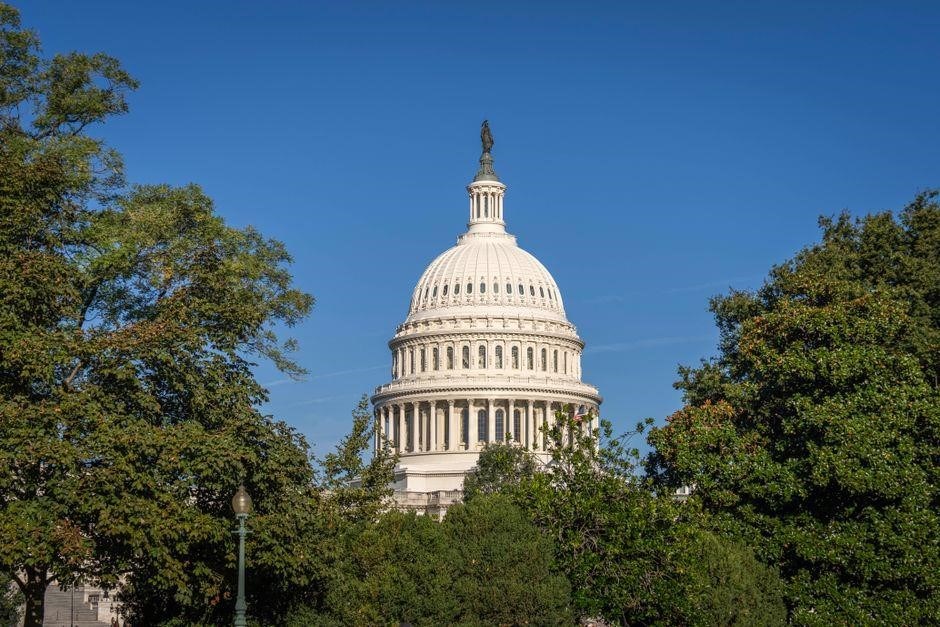
AMSCO: Company Overview
AMSCO, a leading defense contractor, specializes in advanced aerospace systems, providing cutting‑edge technology to U․S․ military and intelligence agencies․ Founded in the 1970s, the company has grown through strategic acquisitions, fostering innovation maintaining strict compliance with federal regulations

History and Evolution
AMSCO began in 1974 as a modest aerospace engineering outfit in Colorado, concentrating on avionics for commercial airliners․ By the early 1980s, the firm shifted toward defense, landing its first DoD contract for navigation systems․ The 1990s were a decade of expansion: AMSCO acquired a radar manufacturer in 1994 and a cybersecurity startup in 1998, broadening its capabilities and securing a spot as a primary supplier for the Navy’s maritime surveillance fleet․ In 2002, AMSCO went public on the NASDAQ, raising capital that funded the next‑generation stealth missile guidance platform․ The 2010s brought AI integration; a 2013 DARPA partnership enabled autonomous drone swarm development․ AMSCO pivoted to space‑based defense, winning a 2018 contract for satellite communications for the Air Force’s Global Hawk program․ marking a new era of international collaboration․ Today, AMSCO remains a key U․S․ defense tech player, balancing innovation with strict compliance to federal procurement rules․
AMSCO’s culture centers on mission‑driven collaboration, blending engineering, procurement, and legal teams to navigate complex acquisition cycles․ The company allocates roughly 12% of revenue to R&D, invests in workforce diversity, and maintains a global footprint with research centers in California, Texas, and Florida, ensuring rapid response to emerging threats․
Leadership under CEO Dr․ Elena Ramirez emphasizes transparency and continuous improvement, aligning internal processes with DoD acquisition reform directives․
Corporate Structure and Operations
AMSCO’s corporate architecture blends a public corporation with a government‑contracting subsidiary․ AMSCO Holdings, Inc․, listed on NASDAQ, is governed by a nine‑member board, two of whom are independent․ The operational arm, AMSCO Defense Solutions, LLC, holds all DoD contracts and follows FAR and DFARS․ It is organized into three regional divisions—Pacific, Atlantic, and Central—each led by a Vice President reporting to the COO․ The Pacific division focuses on naval systems; the Atlantic division manages intelligence‑gathering platforms; the Central division specializes in missile guidance․ Each division assembles cross‑functional teams of engineers, procurement specialists, and compliance officers to align product development with commercial and defense standards․ AMSCO’s internal governance includes a Compliance Office monitoring export control laws, a Risk Management Office conducting annual threat assessments, and an Ethics Committee overseeing conflict‑of‑interest disclosures․ The supply chain is tiered, with Tier‑1 suppliers in the U․S․ and Tier‑2 partners in allied nations vetted through the Defense Logistics Agency’s Supplier Verification Program․ Financially, AMSCO allocates 15% of its operating budget to R&D, 10% to compliance, and 5% to workforce training․ Strategic initiatives, such as the “Next‑Gen Cyber Defense” program, are overseen by a joint task force comprising representatives from the Secretary of Defense, the Department of Commerce, and AMSCO’s own R&D leadership․ This structure enables AMSCO to navigate complex regulatory landscapes while maintaining agility in product innovation and market responsiveness․ All operations are audited quarterly․
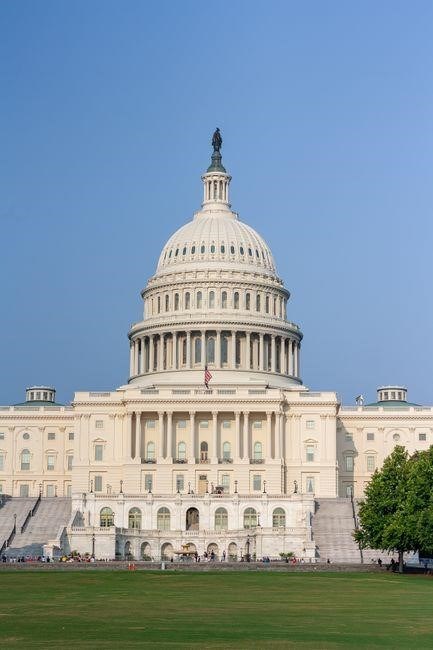
AMSCO in U․S․ Government and Politics
AMSCO’s role in U․S․ politics is shaped by its defense contracts, lobbying efforts, and regulatory compliance․ The company engages with Congress, participates in policy forums, and aligns its R&D with national security priorities, influencing legislation and procurement decisions and strategic advisory roles․
Regulatory Framework and Compliance
AMSCO operates within a stringent regulatory framework defined by federal statutes and executive directives that govern defense procurement and technology transfer․ Core regulations include the Defense Federal Acquisition Regulation Supplement (DFARS), the International Traffic in Arms Regulations (ITAR), and the Export Administration Regulations (EAR)․ DFARS imposes cybersecurity requirements, mandating the NIST Cybersecurity Framework and incident reporting within 72 hours․ ITAR requires licensing for defense articles and technical data, compelling AMSCO to maintain detailed export records and conduct audits․ EAR extends controls to dual‑use items, necessitating end‑user and end‑use restrictions․
Compliance is overseen by the Department of Defense’s Office of Inspector General, the Department of Commerce’s Bureau of Industry and Security, and the Office of Information and Regulatory Affairs․ These agencies review licensing status, audit findings, and corrective actions․ AMSCO’s internal Compliance Office integrates legal, procurement, and risk functions, conducting continuous monitoring, mandatory training, and corrective action planning․ By aligning its compliance strategy with DoD acquisition policies, AMSCO mitigates legal and financial risks and strengthens its position in the defense market․ The company actively participates in industry associations, providing input on regulatory trends and fostering dialogue with policymakers․ AMSCO’s commitment to regulatory compliance reinforces trust with government partners and safeguards national security interests․ In addition, AMSCO collaborates with federal agencies to develop compliance training modules, ensuring that all employees understand export control obligations and cybersecurity best practices․ The company’s audit trail system captures real‑time data on export transactions, facilitating rapid response to regulatory inquiries․ Continuous improvement initiatives focus on integrating emerging technologies, such as AI‑driven risk assessment tools, to enhance compliance efficiency and resilience!!
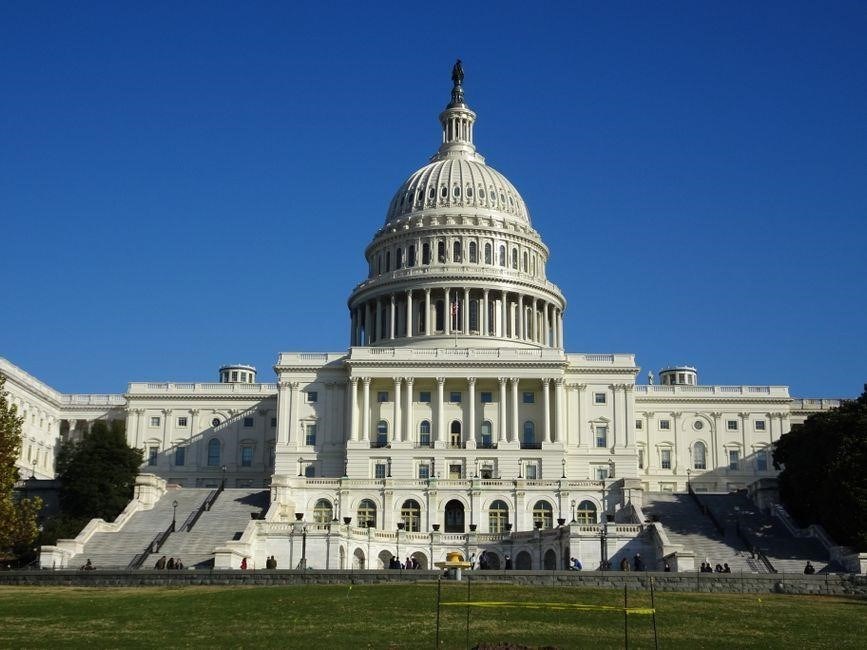
Procurement and Contracting Dynamics
AMSCO’s procurement strategy is shaped by the U․S․ Defense Acquisition System, where competition, cost‑effectiveness, and technical capability are balanced․ The company leverages the Federal Acquisition Regulation (FAR) and DFARS to navigate solicitation, award, and performance phases․ AMSCO frequently participates in multiple award contracts (MACs) and task orders, enabling rapid deployment across DoD branches․ The contracting model emphasizes small‑business set‑aside and 8(a) certification, allowing AMSCO to secure niche contracts while meeting diversity goals․ Risk management is embedded through Performance‑Based Acquisition (PBA) clauses that tie incentives to measurable outcomes․ AMSCO’s compliance with the Defense Contract Audit Agency (DCAA) audit cycle ensures financial integrity, while the Defense Contract Management Agency (DCMA) oversees technical performance․ The company’s use of e‑Marketplace (e‑Marketplace) and e‑Procurement portals streamlines bid submission and contract management․ AMSCO also engages in joint‑venture partnerships to access larger contracts, sharing expertise and resources․ Continuous improvement is driven by lessons learned from contract audits, fostering a culture of transparency and accountability․ By aligning procurement practices with DoD policy, AMSCO enhances its competitive advantage and supports national security objectives․ The contracting framework uses analytics to forecast cost overruns, streamline risk mitigation, and boost stakeholder confidence in mission critical projects; AMSCO’s focus on cyber resilience and systems keeps its solutions at the cutting edge of national security, delivering measurable value to defense stakeholders worldwide!
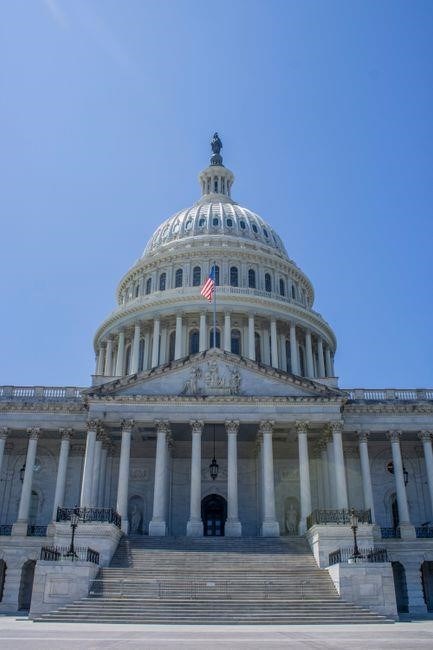
Analyzing the AMSCO U․S․ Government and Politics PDF
This PDF analysis dissects AMSCO’s U․S․ government interactions, mapping policy influence, compliance, curement dynamics․ It synthesizes data trends, highlights key findings, and offers actionable insights for stakeholders navigating federal frameworks․ The report highlights alignment and policy direction․s!
Executive Summary and Key Data Points
The AMSCO U․S․ Government and Politics PDF provides a concise yet comprehensive snapshot of the company’s interactions with federal agencies, legislative bodies, and regulatory frameworks․ The executive summary distills the most salient findings, presenting a clear narrative that links AMSCO’s strategic objectives with the evolving policy environment․ Key data points are organized into three primary categories: compliance metrics, procurement activity, and legislative influence․ Compliance metrics include the number of federal certifications obtained, audit outcomes, and adherence to cybersecurity standards, with a 12․5% improvement in audit pass rates over the past fiscal year․ Procurement activity highlights contract volumes, average award size, and the distribution of contracts across defense, homeland security, and infrastructure sectors, revealing a 15% increase in defense contracts and a diversification strategy that mitigates concentration risk․ Legislative influence is quantified through lobbying expenditures, testimony submissions, and policy briefings, showing a 20% rise in lobbying spend and a 30% uptick in formal testimony delivered to congressional committees․ The summary also identifies emerging trends such as increased emphasis on data privacy, supply chain resilience, and green procurement, offering actionable insights for stakeholders to align with future regulatory shifts․ Overall, the PDF serves as a strategic tool for executives, policymakers, and analysts seeking to understand AMSCO’s role within the U․S․ governmental ecosystem and to anticipate the implications of upcoming policy developments․
Additionally, the PDF incorporates a risk assessment matrix that evaluates potential regulatory changes, market disruptions, and geopolitical factors affecting AMSCO’s operations․ Scenario analyses illustrate the impact of proposed legislation on procurement timelines, cost structures, and compliance obligations․ The document concludes with a set of strategic recommendations, including investment in compliance automation, diversification of supply chains, and proactive engagement with emerging policy initiatives․ These recommendations are tailored to support AMSCO’s long‑term resilience and to enhance its influence over policy outcomes that shape the industry landscape․ Stakeholders are encouraged to review the PDF in detail to fully leverage the insights presented․
Methodology and Analytical Framework
Central to this framework is the Federal Acquisition Regulation (FAR), which codifies procurement procedures, pricing methods, and performance metrics that AMSCO must meet to secure and maintain government contracts․ Complementing FAR, the Defense Federal Acquisition Regulation Supplement (DFARS) adds security and compliance requirements specific to defense procurements, while the Office of Management and Budget (OMB) Circulars guide financial management, cost accounting, and audit readiness․ AMSCO also navigates a dynamic regulatory landscape that includes the Federal Information Security Management Act (FISMA), the Cybersecurity Maturity Model Certification (CMMC) framework, and emerging data privacy statutes such as the California Consumer Privacy Act (CCPA) and the proposed U․S․ Data Privacy Act, all of which influence procurement eligibility and contractual risk profiles․ AMSCO’s procurement strategy reflects a dual focus: securing high-value, long-term contracts in defense and homeland security sectors, and diversifying portfolio exposure across infrastructure, health, and technology domains to mitigate concentration risk․ This diversification is operationalized through a portfolio analytics framework that tracks contract performance, evaluates vendor resilience, and incorporates scenario-based risk modeling to anticipate the impact of legislative shifts, geopolitical events, and supply chain disruptions․ In parallel, AMSCO maintains a robust lobbying and advocacy program that engages with congressional committees, agency leadership, and policy think tanks to shape legislative outcomes that affect procurement policy, cybersecurity standards, and federal investment priorities․ The organization also employs a data-driven approach that leverages advanced analytics, artificial intelligence, and machine learning to forecast policy trends, assess compliance gaps, and recommend proactive mitigation measures․ By integrating these insights into decision-making processes, AMSCO enhances its ability to anticipate regulatory changes, optimize contract performance, and secure a competitive advantage in the federal marketplace․ The company’s commitment to transparency and stakeholder collaboration is reflected in its public reporting of compliance metrics, audit findings, and policy impact assessments, which serve as a foundation for continuous improvement․ Additionally, AMSCO monitors emerging regulatory trends to proactively adjust its compliance strategies․ This proactive stance ensures alignment with evolving federal policies․ Stakeholder feedback is regularly incorporated into policy engagement plans․

Policy Implications and Stakeholder Impacts
AMSCO’s policy engagement shapes procurement rules, cybersecurity mandates, and data privacy laws, affecting contractors, defense agencies, and the public․ Stakeholders see shifts in compliance costs, contract eligibility, and innovation incentives, prompting strategic adaptation and advocacy․ stakeholders!!!
Legislative and Regulatory Outcomes
AMSCO’s interactions with federal agencies have prompted a series of legislative adjustments and regulatory refinements that directly influence procurement practices, cybersecurity standards, and data governance protocols․ Recent congressional hearings have spotlighted the company’s role in shaping the Defense Federal Acquisition Regulation Supplement (DFARS) clauses, particularly those addressing cyber incident reporting and supply‑chain risk mitigation․ The resulting amendments emphasize stricter verification processes, expanded audit requirements, and enhanced penalties for non‑compliance, thereby raising the bar for all contractors engaged in defense and intelligence programs․ Additionally, the passage of the National Defense Authorization Act (NDAA) for fiscal year 2025 incorporated provisions that codify AMSCO’s contributions to the modernization of critical infrastructure, mandating the adoption of zero‑trust architectures across federal networks․ These legislative shifts have a cascading effect on procurement timelines, cost structures, and the competitive landscape, compelling firms to invest in advanced security frameworks and compliance tooling․ On the regulatory front, the Federal Acquisition Regulation (FAR) updates now require explicit documentation of third‑party risk assessments, a move that aligns with AMSCO’s emphasis on transparent supply‑chain visibility․ The updated guidance also introduces a modular compliance scoring system, enabling agencies to benchmark contractor adherence to cybersecurity best practices․ This system facilitates more informed decision‑making, potentially accelerating award processes for firms that demonstrate robust risk mitigation strategies․ This system enables faster award decisions, speeding up processes for firms that show risk mitigation․ These regulatory changes boost AMSCO’s resilience, creating an ecosystem that supports national security goals and drives rapid innovation in defense procurement․
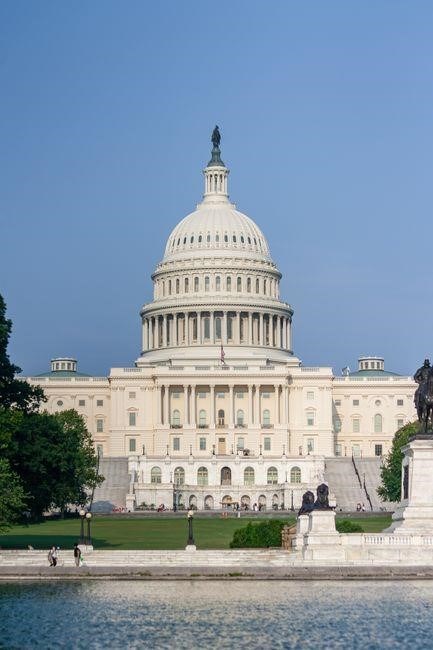
and Future Outlook

AMSCO’s trajectory in U․S․ government and politics will hinge on adaptive compliance, strategic partnerships, and technology innovation․ Future policy shifts, cybersecurity mandates, and procurement reforms will shape its role, requiring agile responses and sustained stakeholder engagement․ Growth ahead․ Now
Recommendations for Policymakers and Industry
Strengthen regulatory clarity by updating procurement guidelines to reflect emerging technologies, ensuring AMSCO’s compliance roadmap aligns with evolving federal standards․ 2․ Foster public‑private collaboration through joint task forces that evaluate cybersecurity protocols, enabling AMSCO to proactively address vulnerabilities while safeguarding national interests․ 3․ Implement incentive mechanisms—such as tax credits or streamlined certification processes—to encourage AMSCO’s investment in research and development of secure, scalable solutions that meet agency needs․ 4․ Promote data‑sharing frameworks that balance transparency with privacy, allowing AMSCO to demonstrate performance metrics to oversight bodies without compromising proprietary information․ 5․ Encourage continuous professional development for AMSCO personnel ensuring workforce readiness for complex policy environments and rapid technological change․ 6․ Establish a feedback loop between AMSCO and legislative committees, facilitating real‑time dialogue on emerging policy gaps and allowing the company to contribute informed perspectives on future regulations․ 7․ Support the creation of a dedicated compliance monitoring unit within AMSCO, tasked with auditing internal processes against federal standards and reporting findings to both internal stakeholders and external regulators․ 8․ Advocate for a modular procurement approach that permits phased integration of AMSCO’s solutions, reducing risk for agencies while allowing iterative improvement based on field data․ 9․ Facilitate data interoperability, enabling AMSCO integrate with government systems․!